
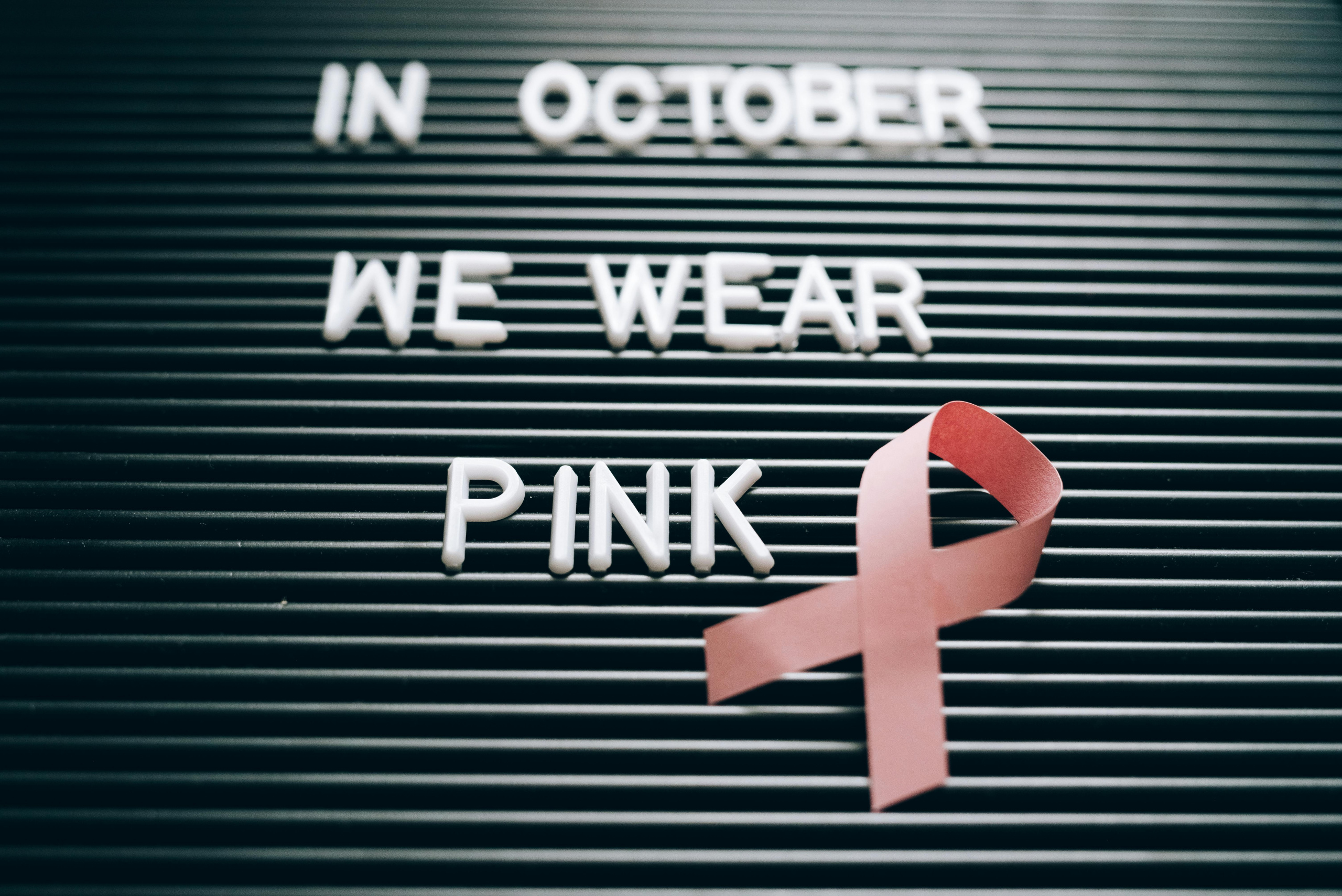
Being diagnosed with breast cancer can be a deeply personal and overwhelming experience, impacting many aspects of life—emotionally, physically, and mentally. If you’re facing this journey or know someone who is, know that the range of emotions you feel is normal, and you are not alone. This journey can be daunting, but finding healthy ways to cope with grief, changes to self-image, and the mental health challenges that may come with it is essential for resilience and well-being.
This post will delve into the emotional layers often encountered during this process and offer insight into coping strategies and support resources that can help you navigate the complexities of a breast cancer diagnosis.
Understanding Grief in the Context of Breast Cancer
Grief is a powerful emotion that often surfaces when facing a serious illness like breast cancer. Many associate grief solely with the loss of a loved one, but in reality, grief can stem from any significant loss—loss of health, certain aspects of body image, or the life once imagined. A breast cancer diagnosis can trigger a unique form of grief that may encompass multiple layers:
- Loss of Control: A diagnosis can make it feel as though life has spiralled out of your control. The certainty of your health, previously taken for granted, feels threatened.
- Fear of Mortality: A serious diagnosis can bring thoughts of mortality into sharp focus, which may evoke fear, sadness, and uncertainty about the future.
- Anticipatory Grief: This is grief related to the possibility of loss, whether that’s the potential for physical changes, health complications, or changes to your quality of life.
- Grieving Your Former Self: Many individuals face grief over losing who they once were before the diagnosis—physically, emotionally, or mentally. This might include grieving the loss of energy, feeling carefree, or the body’s previous capabilities.
Ways to Cope with Grief
Acknowledge that it’s okay to grieve and to feel a complex range of emotions, including sadness, anger, and frustration. Here are some ways to navigate this grief:
- Lean on Support Systems: Share your feelings with trusted friends, family members, or support groups. Having people who understand or empathise can make a world of difference.
- Express Your Emotions: Journaling, art, or creative outlets can serve as an emotional release, giving you a place to process complex emotions without judgement.
- Consider Professional Help: A counsellor, especially one who specialises in oncology or grief, can provide a safe space to process these feelings, offering guidance tailored to your experience.
Navigating Changes to Self-Image
Breast cancer treatments, like chemotherapy, radiation, and surgeries, can result in physical changes that might affect self-image. Hair loss, mastectomy, scars, and changes in skin tone or weight are common challenges faced by those undergoing treatment. These changes may feel like a visible reminder of the illness and can impact how one views themselves and how they believe others perceive them.
Reclaiming Your Self-Image
Redefining self-image is a gradual process, and it’s okay if it takes time. Here are ways to approach self-image with compassion:
- Rediscover New Aspects of Yourself: Engage in activities that bring you joy, confidence, and a sense of accomplishment. Hobbies, creative pursuits, or learning new skills can help you reconnect with parts of yourself beyond physical appearance.
- Embrace Self-Compassion: Remember that your body has been through an incredible challenge. Treat yourself with kindness and patience, allowing yourself time to adjust to any physical changes.
- Seek Community Support: Many individuals find empowerment in connecting with others who have experienced similar journeys. Breast cancer support groups, either in person or online, can offer comfort, shared understanding, and practical tips for adjusting to body image changes.
- Consider Symbolic Beauty Rituals: For some, the choice to wear wigs, scarves, or to experiment with new styles can provide a sense of control and self-expression. Others may embrace their new look as a badge of strength and resilience, letting go of previous expectations for beauty.
Mental Health and Breast Cancer
The mental health impact of a breast cancer diagnosis cannot be overstated. Anxiety, depression, and even post-traumatic stress are common, not only due to the diagnosis itself but also from the demands of treatment, uncertainty about the future, and navigating the changes to day-to-day life.
The emotions stirred by cancer are often described as a rollercoaster—highs when progress is made and lows with each challenging day. Understanding and addressing these mental health challenges can provide a sense of stability and resilience.
Managing Mental Health During Breast Cancer
Consider incorporating mental health support into your routine as part of your treatment plan. Here are some approaches that can make a difference:
- Mindfulness Practices: Techniques like meditation, deep breathing exercises, and mindfulness help calm the mind, reduce anxiety, and keep you present. Even five minutes a day of mindful breathing or gratitude journaling can have a calming effect.
- Cognitive-Behavioral Techniques (CBT): Cognitive-behavioral therapy (CBT) techniques can be beneficial, helping to identify and reframe negative thought patterns associated with illness. Speaking with a therapist who uses CBT can provide coping tools to manage stress and anxiety more effectively.
- Establish a Routine: As much as possible, create small daily routines. This could mean a morning walk, a cup of tea at a certain time, or reading in the evening. Routines create a sense of normalcy and stability, grounding you even when other aspects of life feel uncertain.
- Stay Connected: Isolation can sometimes worsen mental health symptoms, so it’s important to stay socially engaged. Even on low-energy days, a simple phone call, video chat, or message to a loved one can provide comfort and lift your spirits.
- Reach Out for Professional Support: Therapists, support groups, and mental health professionals specialising in cancer care can provide insights tailored to your journey. Don’t hesitate to reach out for professional guidance.
Building a Support Network
Support plays a crucial role in coping with the emotional and physical impact of breast cancer. It’s important to have a reliable network to lean on when things get tough, and this can include family, friends, healthcare professionals, and support groups.
Types of Support to Seek
- Emotional Support: Friends and family members can offer comfort and companionship. Lean on those who encourage you to express your emotions freely and who provide a listening ear.
- Practical Support: Daily tasks and responsibilities may feel overwhelming, so don’t hesitate to ask for help with errands, meal preparation, or transportation to appointments. Many people are eager to help but may not know how to best support you, so feel free to be open about your needs.
- Professional Support: Professional support can come from your healthcare team, mental health professionals, and cancer support groups. These individuals and groups can provide valuable resources, advice, and a safe space to discuss your concerns.
- Peer Support: Other individuals who have experienced or are currently experiencing breast cancer can offer a unique level of understanding. Support groups, either in person or online, provide a sense of community and belonging. Sharing your journey with others who have walked similar paths can be incredibly empowering.
Support Groups and Friendship Circles
Support groups and friendship circles tailored to individuals navigating breast cancer can be transformative. These groups can provide a space to share experiences, exchange advice, and celebrate milestones together. Connecting with others who understand the ups and downs can provide a sense of unity and resilience.
On a more personal level, informal friendship groups can also offer a sense of normalcy and comfort. Spending time with close friends—whether it’s for a casual coffee chat, a quiet evening in, or a more uplifting activity like a paint-and-wine night—can help break up the routine of medical appointments and treatments. These shared experiences remind you of life’s lighter, joyful moments and offer a refreshing mental escape.
Self-Care Practices for Overall Well-Being
Self-care is an essential part of coping with the physical and emotional challenges of breast cancer. It’s about more than pampering yourself; it’s about nourishing your mind, body, and spirit. Here are a few simple self-care practices to incorporate:
- Rest and Recovery: Listen to your body’s needs. Cancer treatments can be exhausting, so allow yourself the time to rest and recover. Short naps or even moments of quiet relaxation can help restore energy levels.
- Nutrition and Hydration: While maintaining a balanced diet can be challenging during treatment, nutritious foods can support your body’s healing process. Consult with your healthcare team about dietary recommendations tailored to your treatment plan.
- Gentle Exercise: Movement, even in gentle forms like walking or stretching, can lift your spirits and improve physical well-being. Exercise releases endorphins, which act as natural mood lifters and help alleviate feelings of stress and fatigue.
- Creative Outlets: Engaging in creative activities, like drawing, journaling, or crafting, can provide a therapeutic release, allowing you to express your emotions in a non-verbal way. Many individuals find a sense of peace and fulfilment through creative pursuits.
- Practice Self-Compassion: Remember that there is no “right” way to feel or cope with breast cancer. Be kind to yourself on days when you feel low, and celebrate your strength on days when you feel resilient.
The Path Forward: Finding Meaning in the Journey
As you navigate the physical and emotional impact of breast cancer, finding meaning in the experience can provide a sense of purpose and strength. Some find solace in spirituality, others in personal growth, and some in becoming advocates or supporters for others going through similar journeys. The path forward may be uncertain, but it’s also an opportunity to embrace resilience, learn more about yourself, and rediscover life’s beauty in unexpected ways.
Closing Thoughts
Coping with the emotional and physical impact of a breast cancer diagnosis is a complex and deeply personal journey. From grief and changes in self-image to managing mental health and seeking support, it’s a multifaceted process. While no single path or answer will fit everyone, know that every step you take towards healing, no matter how small, is a testament to your courage and resilience. Reach out for support, embrace self-care, and honour your journey. You are not alone in this, and with compassion for yourself, you can navigate this chapter with strength, grace, and hope for the future.
With warmth and support,
Gené