
Hey, wellness seekers!
Let’s be real—life doesn’t always go as planned. Sometimes, it feels like the universe throws us a curveball (or three) just when we think we’ve found our footing. Whether it’s a global crisis, a personal setback, or just the everyday unpredictability of modern life, uncertainty can leave us feeling anxious, depleted, and off-balance.
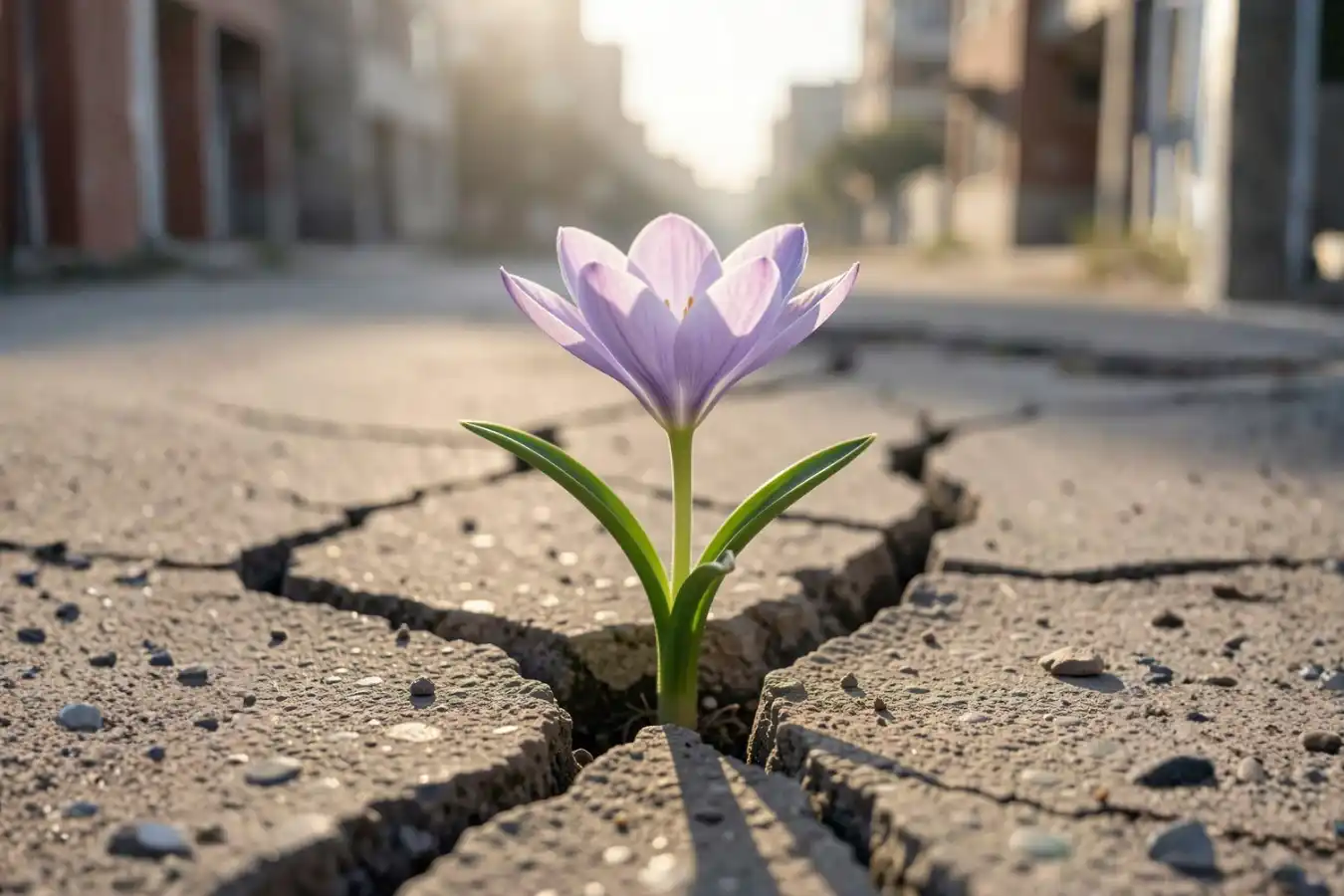
But here’s the good news: resilience isn’t something you’re born with or without. It’s a skill—a set of habits and mindsets—that you can nurture and strengthen over time. Today, we’re diving deep into what emotional resilience really means, why it matters, and practical strategies you can use to bounce back, no matter what life throws your way.
What Is Emotional Resilience?
Emotional resilience is your ability to adapt, recover, and grow in the face of stress, adversity, or change. It’s not about avoiding challenges or pretending everything’s fine when it’s not. Instead, it’s about acknowledging your feelings, navigating difficulties with self-compassion, and finding ways to move forward—sometimes stronger than before.
Think of resilience as your emotional “immune system.” Just as your body fights off illness, your mind and heart can learn to weather storms, heal from setbacks, and even thrive in uncertainty.
Why Resilience Matters (Especially Now)
Let’s face it: uncertainty is part of life. But in recent years, many of us have faced more than our fair share—pandemics, economic shifts, social upheaval, and personal losses. These experiences can leave us feeling powerless or overwhelmed.
Resilience doesn’t mean you won’t feel pain, sadness, or fear. It means you have the tools to process those emotions, reach out for support, and keep moving forward. Studies show that resilient people experience lower levels of anxiety and depression, recover more quickly from setbacks, and enjoy greater overall well-being.
The Science Behind Resilience
Resilience isn’t just a “feel-good” buzzword—it’s backed by science. Neuroscientists have found that resilient people have more flexible neural pathways, allowing them to adapt to change and recover from stress more effectively. Practices like mindfulness, gratitude, and positive self-talk can actually rewire your brain, making resilience a learned and lasting trait.
Common Myths About Resilience
Before we dive into strategies, let’s bust a few myths:
- Myth 1: Resilient people never struggle.Truth: Everyone faces challenges. Resilience is about how you respond, not about avoiding hardship.
- Myth 2: You have to “go it alone.”Truth: Community and support are key ingredients in resilience. Asking for help is a sign of strength, not weakness.
- Myth 3: Resilience means “bouncing back” instantly.Truth: Sometimes, resilience is slow and messy. It’s okay to take your time.
Strategies for Building Emotional Resilience
Ready to strengthen your resilience muscles? Here are practical, science-backed strategies you can start using today:
- Cultivate Self-Awareness
Resilience starts with knowing yourself—your triggers, your strengths, and your patterns. When you notice your thoughts and feelings without judgment, you can respond more skillfully to stress.
Try this:Set aside five minutes each day to check in with yourself. Ask, “How am I feeling right now? What do I need?” Journaling, meditation, or simply pausing to breathe can help you tune in.
- Practice Mindful Acceptance
It’s natural to want to avoid pain or push away uncomfortable emotions. But true resilience comes from accepting what is, rather than fighting reality. Mindful acceptance doesn’t mean giving up—it means acknowledging your feelings and circumstances, then choosing your response.
Try this:When you notice anxiety or sadness, pause and name the feeling. Say, “I’m feeling anxious right now, and that’s okay.” Breathe deeply and remind yourself that emotions are temporary.
- Reframe Negative Thoughts
Our brains are wired to focus on threats—a survival mechanism that can make us dwell on the negative. Resilient people learn to challenge unhelpful thoughts and reframe them in a more balanced way.
Try this:When you catch yourself thinking, “I can’t handle this,” reframe it: “This is tough, but I’ve gotten through hard things before.” Over time, this shift builds confidence and hope.
- Build a Support Network
You don’t have to do it alone. Strong social connections are one of the most powerful predictors of resilience. Reach out to friends, family, or support groups. Share your struggles and let others support you.
Try this:Make a list of people you trust. Reach out to one person this week—send a message, schedule a call, or simply check in. Remember, vulnerability is the bridge to deeper connection.
- Focus on What You Can Control
Uncertainty often triggers anxiety because it reminds us of how little we can control. Instead of spiraling about the unknown, focus on small actions you can take today.
Try this:Make a “circle of control” list. Write down what’s within your control (your attitude, your self-care, your daily habits) and what’s not (other people’s actions, the news, the future). Commit to letting go of what you can’t change.
- Prioritize Self-Care
Resilience isn’t just mental—it’s physical, too. Sleep, nutrition, movement, and rest are the foundation of emotional strength. When you care for your body, you support your mind.
Try this:Create a simple self-care routine. It could be as basic as drinking a glass of water, stretching for five minutes, or going to bed 30 minutes earlier. Small acts add up.
- Practice Gratitude
Gratitude shifts your focus from what’s missing to what’s present. It’s a powerful antidote to stress and negativity, and it builds resilience by reminding you of your strengths and resources.
Try this:Each night, write down three things you’re grateful for. They can be big or small—a supportive friend, a delicious meal, a moment of laughter.
- Set Realistic Goals
When life feels overwhelming, break it down. Set small, achievable goals that give you a sense of progress and purpose.
Try this:Choose one thing you want to accomplish this week. Make it specific and manageable. Celebrate your progress, no matter how small.
- Embrace Flexibility
Resilient people adapt. When plans change or obstacles arise, they adjust their approach rather than giving up. Flexibility is a skill you can practice.
Try this:When something doesn’t go as planned, pause and ask, “What’s another way I could approach this?” Brainstorm alternatives and give yourself permission to pivot.
- Seek Meaning and Purpose
Resilience is fueled by a sense of meaning—knowing that your life has value, even in hard times. Reflect on your values, passions, and the ways you contribute to others.
Try this:Ask yourself, “What gives my life meaning?” Volunteer, pursue a hobby, or support a cause you care about. Purpose is a powerful motivator.
Real-Life Stories of Resilience
Sometimes, the best inspiration comes from others who’ve walked the path. Think of people you admire—friends, family, or public figures—who’ve faced adversity and grown stronger. What qualities did they embody? How did they navigate setbacks? Let their stories remind you that resilience is possible for all of us.
When to Seek Extra Support
Building resilience doesn’t mean you never need help. If you’re feeling persistently overwhelmed, anxious, or hopeless, reach out to a mental health professional. Therapy, coaching, or support groups can provide tools and guidance tailored to your needs.
Final Thoughts: You Are More Resilient Than You Think
Uncertain times are challenging, but they’re also opportunities for growth. Every time you face a setback and choose to keep going, you’re building your resilience muscles. Remember, resilience isn’t about being perfect or never struggling—it’s about showing up, trying again, and believing in your capacity to heal and grow.
So, wellness seekers, let’s embrace the journey. Let’s support each other, celebrate our progress, and remember that we’re stronger together. You have everything you need to bounce back—one mindful step at a time.
With warmth and resilience,
Gené